Navigating the 2026 Farm Bill: Subsidies, Food Prices, and Agricultural Future
Anúncios
The agricultural landscape of the United States is perennially shaped by a monumental piece of legislation known as the Farm Bill. This omnibus bill, typically reauthorized every five years, dictates everything from crop insurance and conservation programs to nutrition assistance and rural development. As the current legislation approaches its expiration, all eyes are turning toward the impending 2026 Farm Bill, anticipating the profound changes it will bring to agricultural subsidies, food prices, and the very fabric of American farming.
Anúncios
Understanding the 2026 Farm Bill is not merely an academic exercise for policymakers and farmers; it’s a critical endeavor for every consumer, environmentalist, and rural community member. Its provisions will ripple through the economy, affecting everything from the cost of your morning coffee to the sustainability of the nation’s natural resources. This comprehensive guide aims to break down the complexities, explore the key changes, and forecast the potential impacts of this pivotal legislation.
What is the Farm Bill? A Primer on its Historical Significance
Before diving into the specifics of the 2026 Farm Bill, it’s essential to grasp the historical context and foundational purpose of this legislation. Originating during the Great Depression with the Agricultural Adjustment Act of 1933, the Farm Bill was initially designed to stabilize agricultural markets, support farmers through periods of economic hardship, and ensure a reliable food supply for the nation. Over the decades, its scope has broadened significantly, evolving into a multi-faceted bill that addresses a wide array of interconnected issues.
Anúncios
Today, the Farm Bill is a sprawling piece of legislation, typically hundreds of pages long, divided into various titles. These titles cover diverse areas such as commodity programs (which include direct payments, price loss coverage, and agriculture risk coverage for staple crops), conservation initiatives, trade policies, agricultural research, rural development, forestry, energy, horticulture, and, significantly, nutrition programs like the Supplemental Nutrition Assistance Program (SNAP). The sheer breadth of the Farm Bill makes it a legislative behemoth, influencing nearly every aspect of food production and consumption in the U.S.
The reauthorization process for each Farm Bill is a contentious and often protracted affair. It involves extensive debate among diverse stakeholders: commodity groups, environmental advocates, anti-hunger organizations, rural communities, and urban consumers. Balancing these competing interests while navigating political ideologies and budgetary constraints is a formidable challenge, making each iteration of the Farm Bill a testament to legislative compromise and strategic negotiation. The 2026 Farm Bill will undoubtedly be no exception, facing its own unique set of challenges and opportunities in a rapidly changing world.
Key Areas of Focus for the 2026 Farm Bill
As discussions around the 2026 Farm Bill gain momentum, several critical areas are emerging as central to the debate. These areas reflect both long-standing concerns within the agricultural sector and new challenges posed by climate change, global economics, and evolving consumer demands.
Agricultural Subsidies: Reforming Support Programs
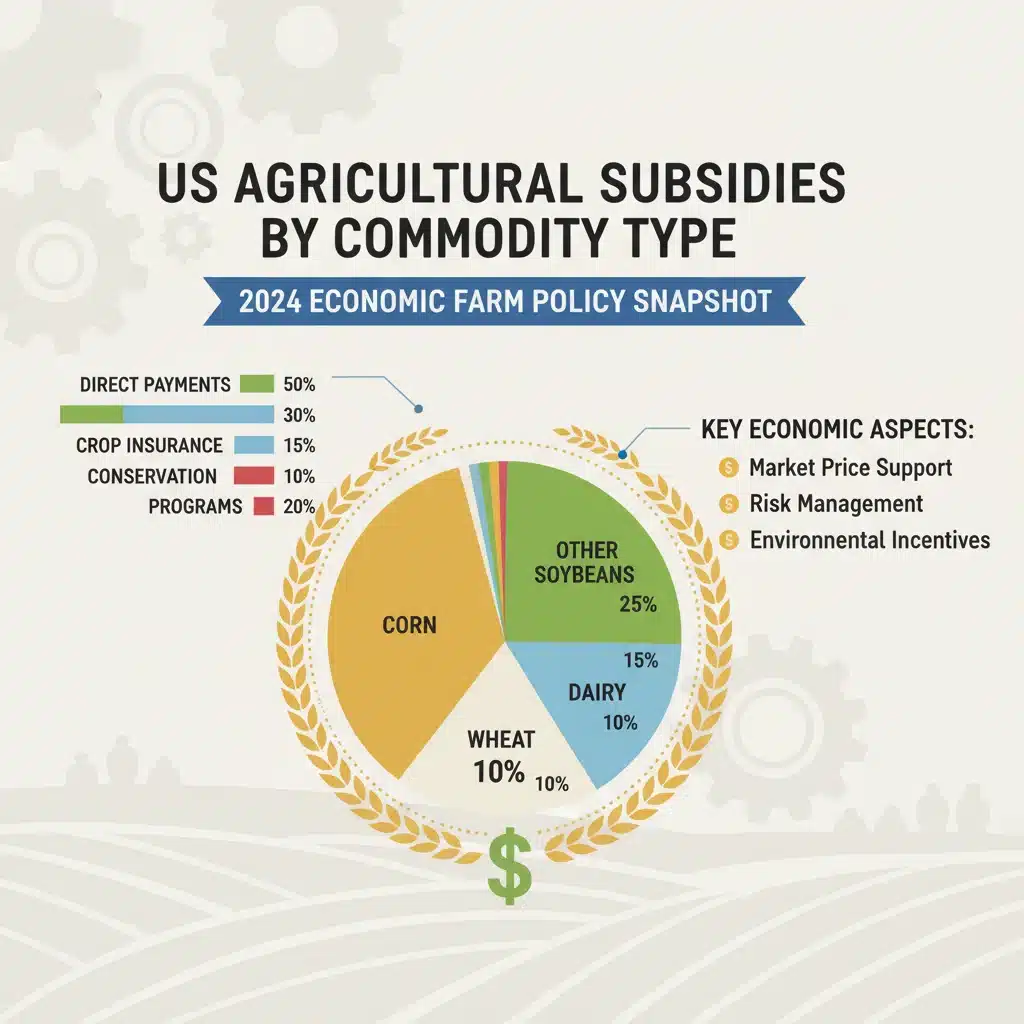
One of the most significant and often debated components of the Farm Bill is agricultural subsidies. These financial aids, provided by the government to farmers and agricultural businesses, aim to supplement farm income, stabilize prices, and ensure food security. However, the structure and distribution of these subsidies are frequently scrutinized.
The 2026 Farm Bill is expected to see heated discussions around the efficacy and equity of current subsidy programs. Critics often argue that existing programs disproportionately benefit large commodity farms, potentially discouraging diversification and sustainable practices. There’s a growing call for reforms that would:
- Targeted Support: Shift subsidies towards smaller and mid-sized farms, or those adopting climate-smart agricultural practices.
- Risk Management: Enhance and refine crop insurance programs to better protect farmers against extreme weather events and market volatility, while also ensuring affordability and accessibility.
- Conservation Linkages: Tie subsidy eligibility more closely to adherence to environmental stewardship and conservation practices.
Proponents of the current system emphasize the importance of subsidies in maintaining a stable food supply, supporting rural economies, and allowing American farmers to compete on a global scale. The challenge for the 2026 Farm Bill will be to find a balance that supports farmers effectively while addressing concerns about fairness, environmental impact, and fiscal responsibility.
Food Prices: The Consumer’s Bottom Line
The provisions of the Farm Bill have a direct, albeit sometimes indirect, impact on food prices for consumers. Agricultural subsidies, supply management programs, and trade policies all play a role in determining the cost of groceries. As inflation continues to be a concern, the 2026 Farm Bill will be under pressure to address food affordability.
Changes in commodity programs can influence the prices of staple crops like corn, soybeans, and wheat, which in turn affect the cost of animal feed, processed foods, and baked goods. Conservation programs that take land out of production, or incentivize certain practices, can also have supply-side effects. Furthermore, the Farm Bill’s support for specific agricultural sectors can influence the diversity and availability of food options in the market.
Key considerations for the 2026 Farm Bill regarding food prices include:
- Supply Chain Resilience: Investing in infrastructure and policies that strengthen the food supply chain to prevent price spikes due to disruptions.
- Promotion of Local Foods: Encouraging local and regional food systems, which can sometimes offer fresh produce at competitive prices and reduce transportation costs.
- Nutrition Programs: The continuation and potential expansion of nutrition assistance programs like SNAP, which directly impact the ability of low-income families to afford healthy food.
Balancing farmer profitability with consumer affordability is a delicate act that the architects of the 2026 Farm Bill will need to master. Decisions made in this bill could have long-lasting implications for household budgets across the nation.
Conservation and Climate Change: A Greener Agricultural Future
Climate change is no longer a distant threat but a present reality, profoundly impacting agricultural productivity and sustainability. The 2026 Farm Bill is expected to significantly bolster efforts in conservation and climate-smart agriculture.
Existing conservation programs, such as the Conservation Reserve Program (CRP), Environmental Quality Incentives Program (EQIP), and Conservation Stewardship Program (CSP), provide financial and technical assistance to farmers for adopting environmentally beneficial practices. The upcoming bill will likely seek to expand these programs, increase their funding, and perhaps introduce new incentives for practices that:
- Sequester Carbon: Encourage practices like cover cropping, no-till farming, and agroforestry that draw carbon from the atmosphere and store it in the soil.
- Enhance Water Quality: Provide resources for nutrient management, riparian buffers, and wetland restoration to protect water resources.
- Promote Biodiversity: Support habitats for pollinators and other beneficial wildlife, contributing to ecosystem health.
- Increase Resilience: Help farmers adapt to extreme weather events, such as droughts, floods, and heatwaves, through resilient cropping systems and land management.
There’s also growing interest in integrating climate-related metrics and outcomes more directly into Farm Bill programs, moving towards performance-based incentives. This shift could transform how conservation is approached, making it a more integral part of farm management and a significant component of the 2026 Farm Bill‘s legacy.
Rural Development and Infrastructure: Supporting America’s Heartland
Beyond the farm gate, the Farm Bill plays a crucial role in the economic vitality of rural America. Through programs supporting rural broadband expansion, business development, renewable energy projects, and community facilities, the bill helps to ensure that rural areas remain vibrant places to live and work. The 2026 Farm Bill is anticipated to continue and potentially expand these efforts, recognizing the importance of rural communities to the national economy and social fabric.
Key areas of focus for rural development in the 2026 Farm Bill include:
- Broadband Access: Bridging the digital divide by expanding high-speed internet access to underserved rural areas, crucial for education, business, and healthcare.
- Value-Added Agriculture: Supporting programs that help farmers process their products, create new markets, and capture more of the consumer dollar.
- Renewable Energy: Investing in renewable energy projects in rural areas, such as bioenergy and solar installations, providing new income streams for farmers and reducing reliance on fossil fuels.
- Community Facilities: Funding for essential services like schools, hospitals, and public safety facilities, enhancing the quality of life in rural towns.
These investments are vital for attracting and retaining residents in rural areas, fostering economic diversification, and ensuring that agricultural communities thrive in the 21st century. The 2026 Farm Bill will be a critical tool in addressing the unique challenges and opportunities facing rural America.
Potential Impacts of the 2026 Farm Bill
The decisions made in the 2026 Farm Bill will have far-reaching implications across various sectors. Understanding these potential impacts is crucial for stakeholders to prepare and advocate effectively.
Impact on Farmers and Ranchers
For farmers and ranchers, the 2026 Farm Bill will directly influence their bottom line, risk management strategies, and operational decisions. Changes to commodity programs, crop insurance, and disaster assistance will dictate financial stability. Increased emphasis on conservation could mean new opportunities for income through environmental stewardship payments, but also potentially new compliance requirements.
The bill’s approach to beginning farmers and ranchers, as well as socially disadvantaged farmers, will be critical. Programs designed to provide access to land, capital, and technical assistance could foster a more equitable and resilient agricultural workforce. Conversely, cuts to essential programs could exacerbate existing challenges, leading to further consolidation and economic hardship for some.
Impact on Food Prices and Consumer Choices
As discussed, the 2026 Farm Bill‘s influence on food prices is undeniable. If subsidies shift, or if supply chain investments are made, consumers could see changes in the cost and availability of certain foods. For instance, stronger support for specialty crops or local food systems might lead to more diverse and potentially fresher options in grocery stores and farmers’ markets.
Nutrition programs, which constitute a significant portion of Farm Bill spending, are directly linked to food security for millions of Americans. Any changes to SNAP or other food aid programs will have an immediate and profound impact on the ability of vulnerable populations to access nutritious food. The 2026 Farm Bill will therefore be a key determinant of national food security and public health outcomes.
Environmental and Climate Impacts
The environmental footprint of American agriculture is substantial, and the 2026 Farm Bill presents a significant opportunity to address climate change and promote sustainability. Enhanced conservation programs, incentives for climate-smart practices, and investments in agricultural research focused on environmental solutions could lead to:
- Reduced greenhouse gas emissions from agriculture.
- Improved soil health and increased carbon sequestration.
- Cleaner water and healthier ecosystems.
- Enhanced biodiversity on agricultural lands.
However, if conservation funding is cut or if the bill fails to adequately incentivize sustainable practices, there is a risk of further environmental degradation and a missed opportunity to leverage agriculture as a climate solution.
Global Trade and Economic Competitiveness
The U.S. agricultural sector is a major player in global trade, and the 2026 Farm Bill‘s provisions on trade, export promotion, and market access will influence America’s competitiveness on the international stage. Policies that support agricultural exports can boost farmer income and strengthen the national economy, but they must also be balanced with domestic needs and international trade agreements.
The bill’s impact on research and development in agriculture will also be crucial for maintaining technological leadership and innovation, ensuring that American farmers remain at the forefront of agricultural productivity and sustainability. These global dynamics underscore the far-reaching influence of the 2026 Farm Bill.
Challenges and Opportunities for the 2026 Farm Bill
Crafting the 2026 Farm Bill will not be without its challenges. Political polarization, budgetary constraints, and the diversity of stakeholder interests will make negotiations complex. Key challenges include:
- Budgetary Constraints: The sheer cost of agricultural programs means that funding decisions will be heavily scrutinized, with calls for fiscal discipline often clashing with demands for increased support.
- Political Divides: Disagreements between urban and rural interests, commodity groups and environmentalists, and different political factions will require significant compromise.
- Climate Imperatives: Integrating robust climate solutions into the bill in a way that is both effective and palatable to all stakeholders will be a major undertaking.
- Evolving Agricultural Landscape: Addressing the needs of a diverse agricultural sector, from large-scale commodity producers to small-scale organic growers, will require flexible and inclusive policies.
Despite these challenges, the 2026 Farm Bill also presents significant opportunities:
- Modernizing Programs: An opportunity to update and streamline existing programs to make them more efficient, equitable, and responsive to current needs.
- Investing in the Future: A chance to make strategic investments in agricultural research, innovation, and rural infrastructure that will pay dividends for decades.
- Strengthening Food Security: The potential to enhance nutrition programs and build more resilient food systems, ensuring all Americans have access to healthy food.
- Leading on Climate: An opportunity for the U.S. to demonstrate global leadership in climate-smart agriculture and sustainable land management.
Preparing for the 2026 Farm Bill: What Stakeholders Can Do
For farmers, agricultural businesses, environmental groups, anti-hunger advocates, and consumers, understanding and engaging with the 2026 Farm Bill process is paramount. Here are some steps stakeholders can take:
- Stay Informed: Follow legislative developments, committee hearings, and reports from agricultural organizations.
- Engage with Representatives: Contact your elected officials to share your perspectives and concerns regarding specific provisions of the Farm Bill.
- Join Advocacy Groups: Support and participate in organizations that represent your interests, as collective voices often have greater impact.
- Provide Data and Research: Offer evidence-based insights to policymakers on the effectiveness of current programs and the potential impacts of proposed changes.
- Collaborate: Seek common ground with diverse stakeholders to build broader coalitions for impactful change.
The legislative journey of the 2026 Farm Bill will be a dynamic process, influenced by a multitude of factors. Active participation from all interested parties is essential to shape a bill that truly serves the best interests of American agriculture, its communities, and the nation as a whole.
Conclusion: The Enduring Importance of the 2026 Farm Bill
The 2026 Farm Bill stands as a critical juncture for American agriculture. Its far-reaching provisions will not only determine the future of agricultural subsidies and influence the food prices consumers pay but will also dictate the trajectory of conservation efforts, rural development, and the nation’s capacity to adapt to a changing climate. From the smallest family farm to the largest urban grocery store, the impacts of this legislation will be felt across every corner of the country.
As policymakers, farmers, and citizens, our engagement with the 2026 Farm Bill is more crucial than ever. By understanding its complexities, advocating for thoughtful reforms, and promoting inclusive solutions, we can help shape a bill that fosters a more resilient, sustainable, and equitable agricultural system for generations to come. The debate will be intense, the negotiations challenging, but the outcome will undoubtedly define a significant chapter in the story of American food and farming.