Urgent Alert: Cybersecurity Experts Warn of a 20% Increase in Data Breaches Targeting U.S. Consumers by Mid-2026
In an increasingly digitized world, the convenience of online services comes with an ever-present shadow: the threat of cyberattacks. A recent, alarming report from leading cybersecurity experts has cast a stark warning over the digital landscape for U.S. consumers. The prognosis is grim: a projected 20% increase in data breaches targeting individuals by mid-2026. This isn’t just a statistic; it’s an urgent call to action for every internet user to reassess and bolster their digital defenses against the looming threat of consumer data breaches. The implications of such a surge are profound, ranging from financial fraud and identity theft to severe personal privacy violations. Understanding the forces driving this predicted increase and, more importantly, knowing how to protect yourself, is paramount.
Anúncios
The digital age, while offering unparalleled connectivity and convenience, simultaneously introduces an exponential rise in vulnerabilities. From online shopping to banking, social media to healthcare portals, our personal information is constantly in transit, stored, and accessed across a myriad of platforms. Each interaction, each login, each data point, represents a potential entry point for malicious actors. The sheer volume and value of personal data now available online make consumers an attractive target for cybercriminals. This article delves deep into the reasons behind this alarming prediction, explores the common vectors of attack, and provides actionable strategies for individuals to fortify their digital lives against the impending wave of consumer data breaches.
Understanding the Escalating Threat: Why the 20% Surge in Consumer Data Breaches?
Several converging factors contribute to the predicted 20% surge in consumer data breaches. These aren’t isolated incidents but rather a complex interplay of technological advancements, evolving cybercriminal tactics, and, often, human vulnerability. To effectively combat this rising tide, it’s crucial to understand its root causes.
Sophistication of Cyberattack Methods
Cybercriminals are no longer relying solely on brute-force attacks or simple phishing scams. They are continually refining their methods, employing advanced techniques that are harder to detect and defend against. This includes highly personalized spear-phishing campaigns, sophisticated malware designed to bypass traditional security measures, and the exploitation of zero-day vulnerabilities – flaws in software that developers are unaware of or haven’t yet patched. The rise of AI and machine learning also empowers attackers to automate and scale their operations, making it possible to target a larger number of individuals more efficiently.
Anúncios
Increased Digital Footprint of Consumers
Our lives are increasingly online. From smart home devices to wearables, cloud storage to online collaboration tools, the average consumer’s digital footprint has expanded dramatically. Each new connected device or online service creates another potential entry point for attackers. This vast interconnectedness means that a breach in one service can often have ripple effects, exposing data across multiple platforms. The more data we share and the more services we use, the greater the surface area for attack, making consumer data breaches an almost inevitable consequence without robust protection.
Inadequate Security Practices by Organizations
While individuals bear some responsibility for their own security, many consumer data breaches originate from vulnerabilities within the organizations that hold our data. Small and medium-sized businesses (SMBs), in particular, often lack the resources, expertise, or budget to implement enterprise-grade cybersecurity measures. Even large corporations can fall victim to sophisticated attacks due to human error, unpatched systems, or insider threats. The weakest link in the supply chain or an overlooked vulnerability can lead to massive data exposure, affecting millions of consumers.
The Rise of Ransomware and Extortion Tactics
Ransomware attacks, where data is encrypted and held hostage until a ransom is paid, are becoming increasingly prevalent and destructive. Beyond just encrypting data, many ransomware groups now engage in ‘double extortion,’ threatening to leak stolen data publicly if the ransom isn’t paid. This puts immense pressure on organizations, and when they succumb, consumer data is often exposed. The profitability of these attacks fuels their proliferation, contributing significantly to the increase in consumer data breaches.
Lack of Consumer Awareness and Preparedness
Despite frequent news about data breaches, a significant portion of the general public remains unaware of the specific threats or lacks the knowledge to implement effective personal cybersecurity measures. Many still use weak, reused passwords, fall for obvious phishing attempts, or fail to enable multi-factor authentication. This lack of awareness creates fertile ground for cybercriminals, making individuals easier targets for direct attacks or for having their data exposed through compromised third-party services.
Common Vectors for Consumer Data Breaches
To guard against the projected increase in consumer data breaches, it’s essential to understand how these breaches typically occur. Knowing the common attack vectors allows individuals and organizations to implement targeted defenses.
Phishing and Social Engineering
Phishing remains one of the most effective and pervasive methods for initiating data breaches. Attackers send deceptive emails, messages, or calls designed to trick individuals into revealing sensitive information (like login credentials) or downloading malicious software. Social engineering takes this a step further, manipulating individuals psychologically to gain access to systems or information. These tactics often exploit human trust and urgency, leading to the compromise of personal accounts and, subsequently, data exposure.
Weak or Reused Passwords
Despite repeated warnings, many consumers continue to use simple, easily guessable passwords or reuse the same password across multiple accounts. When one service is breached, and account credentials are leaked, cybercriminals can use these ‘credential stuffing’ techniques to gain unauthorized access to other accounts where the same username and password combination has been used. This single point of failure is a major contributor to widespread consumer data breaches.
Malware and Spyware
Malicious software, or malware, can take many forms, including viruses, worms, Trojans, and spyware. These programs can be inadvertently downloaded through malicious links, infected attachments, or compromised websites. Once installed, malware can record keystrokes, steal files, hijack browsers, or provide backdoor access to an attacker, leading directly to the compromise of personal data.
Unsecured Wi-Fi Networks
Public Wi-Fi networks, while convenient, are often unsecured and can be easily intercepted by attackers. Without proper encryption, any data transmitted over these networks – including login credentials, banking details, and personal messages – can be captured by cybercriminals. This vulnerability is a common vector for opportunistic consumer data breaches, especially for individuals who conduct sensitive transactions on public networks.
Third-Party Data Breaches
Even if an individual practices impeccable personal cybersecurity, their data can still be exposed through a breach at a third-party service provider. This could be a retailer, a healthcare provider, a financial institution, or even a smaller vendor that processes data on behalf of a larger company. When these organizations suffer a breach, the personal information of their customers – often millions at a time – can be compromised. This highlights the interconnected nature of digital security and the challenge of protecting against all possible attack surfaces.

The complexity of these attack vectors underscores the need for a multi-layered approach to security. No single solution can offer complete protection, but a combination of robust personal practices and diligent organizational security can significantly mitigate the risk of consumer data breaches.
Proactive Measures: Safeguarding Your Data Against Future Breaches
Given the alarming forecast of increased consumer data breaches, adopting proactive and robust cybersecurity measures is no longer optional; it’s a necessity. Here’s how you can fortify your digital defenses:
1. Embrace Strong, Unique Passwords and a Password Manager
This is arguably the most fundamental step. Create long, complex passwords that combine uppercase and lowercase letters, numbers, and symbols. Crucially, use a unique password for every single online account. Remembering dozens of complex passwords is impossible for most, which is where a reputable password manager becomes indispensable. Tools like LastPass, 1Password, or Bitwarden securely store and generate strong passwords, allowing you to access them with a single master password. This drastically reduces the risk of ‘credential stuffing’ attacks.
2. Activate Multi-Factor Authentication (MFA) Everywhere Possible
Multi-factor authentication (MFA), also known as two-factor authentication (2FA), adds an extra layer of security beyond just a password. Even if an attacker compromises your password, they would still need a second verification factor – typically a code sent to your phone, a fingerprint scan, or a hardware token – to access your account. Enable MFA on all critical accounts, including email, banking, social media, and any service storing sensitive information. This is one of the most effective deterrents against unauthorized access and a critical defense against consumer data breaches.
3. Be Vigilant Against Phishing and Social Engineering
Develop a skeptical mindset towards unsolicited emails, messages, or calls. Always verify the sender’s identity before clicking on links, opening attachments, or providing personal information. Look for inconsistencies in email addresses, grammatical errors, and unusual requests. If an email seems suspicious, do not reply or click; instead, navigate directly to the official website or contact the organization through a verified channel. Remember, legitimate organizations will rarely ask for sensitive information via email.
4. Keep Software and Operating Systems Updated
Software updates aren’t just about new features; they often include critical security patches that fix vulnerabilities exploited by cybercriminals. Make sure your operating system (Windows, macOS, iOS, Android), web browsers, antivirus software, and all applications are regularly updated. Enable automatic updates whenever possible to ensure you’re always running the most secure versions, closing potential doors for consumer data breaches.
5. Use Antivirus and Anti-Malware Software
Install and maintain reputable antivirus and anti-malware software on all your devices. These tools can detect and remove malicious software that might otherwise compromise your system and steal your data. Ensure they are configured to perform regular scans and are kept up-to-date with the latest threat definitions.
6. Exercise Caution on Public Wi-Fi Networks
Avoid conducting sensitive transactions (online banking, shopping with credit cards) when connected to public Wi-Fi. If you must use public Wi-Fi, consider using a Virtual Private Network (VPN). A VPN encrypts your internet traffic, creating a secure tunnel that protects your data from eavesdropping by others on the same network. This is a crucial step to prevent opportunistic consumer data breaches when you’re on the go.
7. Regularly Monitor Your Financial Accounts and Credit Reports
Proactive monitoring can help you detect signs of identity theft or fraudulent activity early. Regularly review your bank statements, credit card bills, and credit reports for any suspicious transactions or accounts opened in your name. Many financial institutions offer alerts for unusual activity, which you should enable. You are entitled to a free credit report from each of the three major credit bureaus annually; take advantage of this to keep an eye on your financial health.
8. Be Mindful of What You Share Online
Every piece of personal information you share online, whether on social media, forums, or websites, can be collected and used by attackers. Be cautious about posting details like your full birthdate, home address, phone number, or vacation plans. Review privacy settings on social media platforms and limit the audience for your posts. Less information publicly available means less for criminals to exploit in social engineering attacks or identity theft attempts, thereby reducing the risk of consumer data breaches.
9. Backup Your Data Regularly
While backups don’t prevent data breaches, they are crucial for recovery in the event of a ransomware attack or data loss. Store important files on external hard drives or secure cloud services, ensuring that these backups are regularly updated and ideally kept offline or in a separate, secure environment to prevent them from being compromised alongside your primary data.
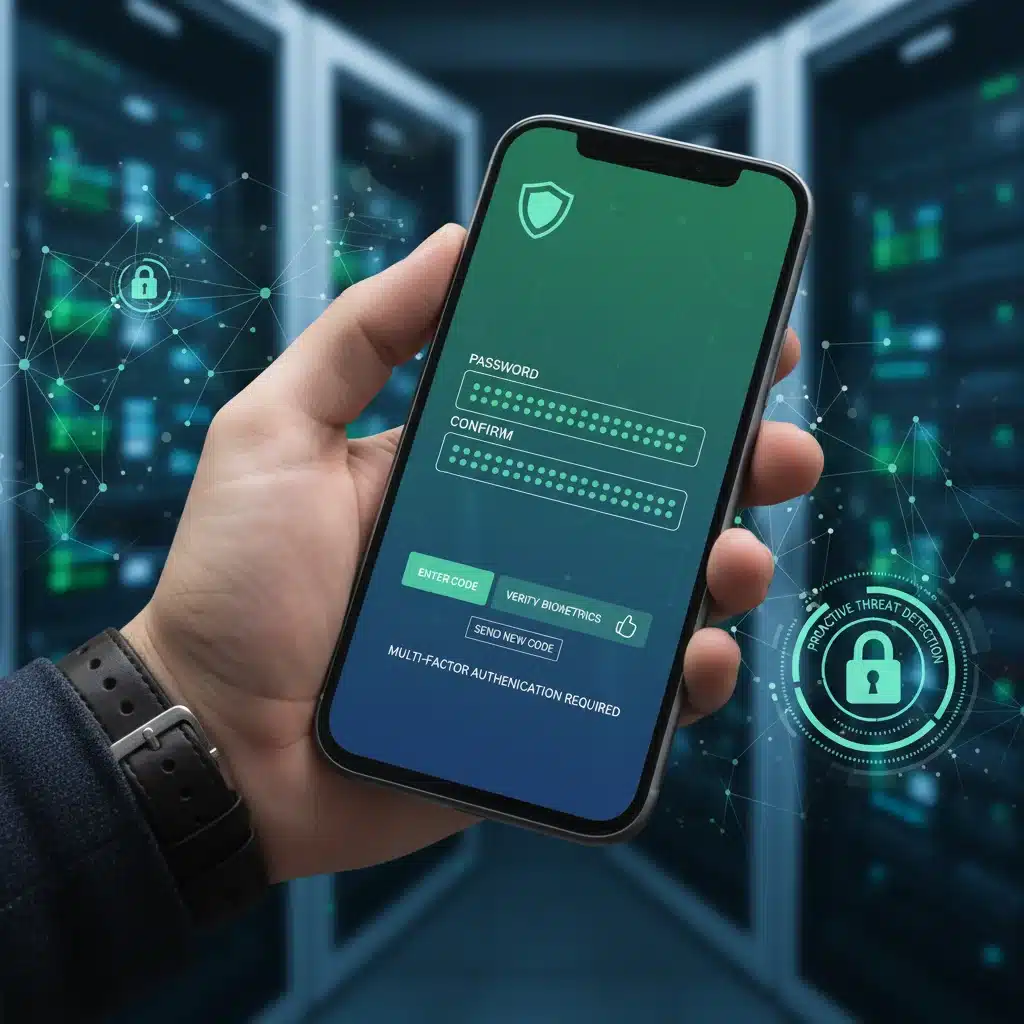
Implementing these measures requires a commitment to ongoing vigilance, but the effort is a small price to pay for protecting your personal information and financial well-being against the increasing threat of consumer data breaches.
What to Do If You Suspect a Data Breach
Even with the best precautions, no system is 100% immune to attack. If you suspect your data has been compromised in a consumer data breach, rapid and decisive action is critical to minimize damage:
- Change Passwords Immediately: Start with the account you believe was breached, then change passwords for any other accounts where you used the same (or similar) credentials.
- Enable MFA: If you haven’t already, enable multi-factor authentication on all your critical accounts.
- Monitor Accounts Closely: Scrutinize bank statements, credit card bills, and credit reports for any unauthorized activity.
- Place a Fraud Alert or Freeze Your Credit: Contact one of the three major credit bureaus (Equifax, Experian, TransUnion) to place a fraud alert on your credit file. This makes it harder for identity thieves to open new accounts in your name. For stronger protection, consider freezing your credit.
- Report the Incident: Report the breach to relevant authorities, such as the Federal Trade Commission (FTC) at IdentityTheft.gov. If a company you use announces a breach, follow their recommended steps.
- Be Wary of Further Scams: Cybercriminals often follow up a successful breach with targeted phishing or social engineering attempts. Be extra cautious about any communications claiming to be related to the breach.
The Collective Responsibility: Beyond Individual Actions
While individual actions are crucial, the fight against consumer data breaches also requires a collective effort. Organizations, governments, and cybersecurity firms all play vital roles:
- Organizational Accountability: Companies that collect and store consumer data must invest in robust cybersecurity infrastructure, conduct regular security audits, and adhere to data protection regulations. Transparency in reporting breaches and supporting affected consumers is also paramount.
- Government Regulation and Enforcement: Stronger data protection laws (like GDPR and various state-level privacy acts) and effective enforcement mechanisms compel organizations to prioritize security and hold them accountable for lapses.
- Cybersecurity Innovation: Continuous research and development in cybersecurity technologies are essential to stay ahead of evolving threats. This includes advancements in AI-driven threat detection, encryption, and secure authentication methods.
- Public Education Campaigns: Ongoing campaigns to educate the public about cybersecurity best practices can significantly increase overall resilience against attacks.
Conclusion: Navigating a More Threatening Digital Future
The prediction of a 20% increase in consumer data breaches by mid-2026 is a sobering reminder of the persistent and evolving threats in our digital world. It underscores the critical need for heightened awareness, proactive measures, and a commitment to digital hygiene from every individual. While the landscape of cyber threats may seem daunting, empowering ourselves with knowledge and adopting robust security practices can significantly reduce our vulnerability. By embracing strong passwords, multi-factor authentication, vigilant online behavior, and regular software updates, we can collectively build a stronger defense against malicious actors. The future of our digital security hinges on our willingness to adapt and protect our most valuable asset: our personal data.
Stay informed, stay vigilant, and take action today to safeguard your digital future against the rising tide of consumer data breaches. Your privacy and security depend on it.