Veterans Benefits 2026: Expanded Aid Programs & Eligibility
Anúncios
Veterans Benefits in 2026: A Comprehensive Look at 6 Expanded Aid Programs
As we look ahead to 2026, the landscape of support for our nation’s heroes continues to evolve, bringing with it promising expansions in veterans benefits 2026. The commitment to those who have served is unwavering, and new legislative efforts and budgetary allocations are set to enhance the lives of millions of veterans and their families. This comprehensive guide will delve into six key areas where significant expansions are anticipated, providing crucial information on what these changes mean, who is eligible, and how to access these vital resources. Understanding these updates is paramount for every veteran, their caregivers, and their advocates, ensuring that no one misses out on the support they’ve earned.
The year 2026 is poised to be a landmark year for veterans benefits 2026, with a renewed focus on holistic well-being, economic stability, and seamless access to services. From enhanced healthcare provisions to robust housing assistance and expanded educational opportunities, these programs are designed to address the multifaceted needs of the veteran community. Our aim is to break down complex information into an easily digestible format, empowering you with the knowledge to navigate the system effectively and secure the aid you deserve. Let’s explore the future of veterans support together.
Anúncios
Understanding the Evolution of Veterans Benefits
The system of veterans benefits 2026 is not static; it is a dynamic framework that continuously adapts to the changing needs of the veteran population. Historically, benefits have evolved from basic pensions for war veterans to comprehensive packages covering a wide array of services. This evolution reflects societal recognition of the sacrifices made and the ongoing commitment to ensuring veterans thrive in civilian life. In recent years, there has been a significant push towards personalized care, mental health support, and addressing the unique challenges faced by different generations of veterans, including those from recent conflicts.
The legislative process behind these changes is often intricate, involving advocacy from veteran organizations, congressional debates, and executive directives. Each expansion or modification aims to fill gaps in existing services, improve efficiency, or respond to emerging health and economic crises affecting veterans. For 2026, the anticipated expansions are a direct result of extensive research into veteran needs, feedback from the community, and a proactive approach to future challenges. Staying informed about these developments is not just about understanding policy; it’s about understanding the tangible improvements that will directly impact lives. The focus for veterans benefits 2026 will be on creating a more accessible, equitable, and effective support system for all who have served.
Anúncios
Expanded Healthcare Access and Mental Health Services
One of the most critical areas of focus for veterans benefits 2026 is healthcare. Recognizing the increasing demand for specialized medical care and the persistent challenges surrounding mental health, significant expansions are projected. This includes broader eligibility criteria for certain VA healthcare programs, reducing wait times, and increasing the network of community care providers. The goal is to ensure that every veteran has timely access to high-quality medical services, regardless of their location or specific health needs.
Specifically, we anticipate a substantial boost in funding for mental health initiatives. This means more resources for PTSD treatment, suicide prevention programs, and services addressing anxiety, depression, and substance abuse. There will be an emphasis on integrated care models, where mental health services are seamlessly combined with primary care, making it easier for veterans to receive comprehensive support without stigma. Telehealth services are also expected to see further expansion, leveraging technology to reach veterans in rural or underserved areas, ensuring continuity of care. The expansion of these services under veterans benefits 2026 underscores a profound commitment to the holistic well-being of our veterans, acknowledging that mental health is as crucial as physical health.
Furthermore, specialized programs for women veterans, who often face unique healthcare challenges, are expected to grow. This includes increased access to reproductive health services, gender-specific cancer screenings, and support for military sexual trauma (MST) survivors. The aim is to create a more inclusive and responsive healthcare system that caters to the diverse needs of all veterans. These enhancements are not merely incremental; they represent a significant leap forward in how the VA addresses the complex health requirements of its beneficiaries, making healthcare a cornerstone of the veterans benefits 2026 package.
Enhanced Housing Assistance Programs
Homelessness and housing instability remain pressing issues within the veteran community. For 2026, significant enhancements to housing assistance programs are expected to tackle these challenges head-on. These expansions will focus on increasing the availability of affordable housing options, providing more robust rental assistance, and offering greater support for veterans seeking to purchase homes. The aim is to ensure that every veteran has a safe, stable, and dignified place to live, which is fundamental to their overall well-being and successful reintegration into civilian life.
One key area of expansion will likely be the HUD-VASH (Housing and Urban Development-VA Supportive Housing) program, which combines rental assistance vouchers with VA case management and supportive services. We anticipate increased funding and expanded eligibility for HUD-VASH, allowing more homeless veterans and those at risk of homelessness to secure permanent housing. Additionally, there may be new initiatives to streamline the application process for VA home loans, making it easier for eligible veterans to achieve homeownership. This could include reduced closing costs, more flexible lending criteria, and enhanced financial literacy programs tailored for veterans.
Beyond direct financial aid, there will be a focus on supportive housing services, including programs that help veterans with disabilities adapt their homes, and initiatives that connect veterans with resources for home maintenance and repairs. These comprehensive housing solutions are designed to address not just the immediate need for shelter but also the long-term stability and quality of life for veterans. The commitment to strengthening these programs is a clear indicator of the priority placed on housing within the broader framework of veterans benefits 2026, recognizing that a stable home is the foundation for all other aspects of a veteran’s life.
Expanded Educational and Vocational Training Opportunities
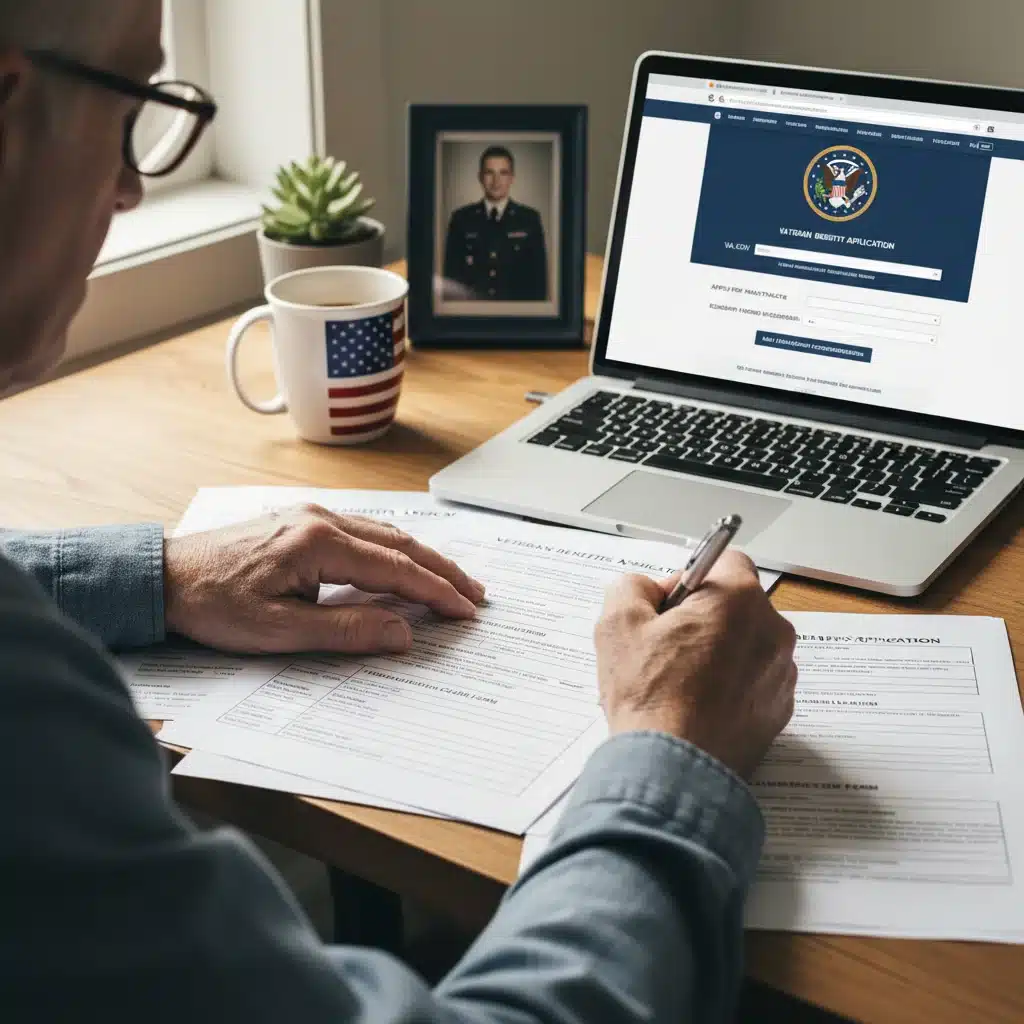
Education and vocational training are powerful tools for empowering veterans to achieve their career aspirations and contribute meaningfully to the workforce. In 2026, we anticipate significant expansions to existing educational benefits, including the Post-9/11 GI Bill, and the introduction of new programs designed to meet the evolving demands of the job market. These enhancements aim to remove financial barriers to education, provide access to high-demand vocational skills, and support veterans throughout their academic and professional journeys.
One expected expansion involves increasing the monthly housing allowance for veterans utilizing their GI Bill benefits, especially in high-cost-of-living areas. This adjustment will help ensure that veterans can afford to attend school without undue financial stress. Furthermore, there will likely be an emphasis on expanding eligibility for non-traditional education paths, such as coding bootcamps, apprenticeship programs, and certifications in emerging technologies. These programs are crucial for veterans looking to transition into new industries quickly and effectively. The focus of veterans benefits 2026 in education is not just on traditional degrees but on practical, marketable skills that lead directly to employment.
Vocational rehabilitation and employment (VR&E) services are also slated for enhancement. This could include more personalized career counseling, improved job placement assistance, and extended periods of support for veterans with service-connected disabilities who are seeking to re-enter the workforce. The goal is to provide a comprehensive ecosystem of support, from initial skill assessment to job search and retention. By investing in education and training, the veterans benefits 2026 initiatives aim to equip veterans with the tools they need to succeed in a competitive economy, turning their military experience into a significant asset in civilian careers.
Improved Disability Compensation and Appeals Process
Disability compensation is a cornerstone of veterans benefits 2026, providing financial support to veterans whose lives have been impacted by service-connected injuries or illnesses. For 2026, we expect improvements aimed at streamlining the disability claims and appeals process, making it more efficient, transparent, and fair. The goal is to reduce the backlog of claims, expedite decisions, and ensure that veterans receive the compensation they are rightfully owed in a timely manner.
Anticipated changes include further digitalization of the claims process, allowing for easier submission of documents and tracking of claim status. There will also be a focus on enhanced training for claims processors and adjudicators, ensuring a more consistent and accurate application of regulations. Furthermore, legislative efforts may introduce new presumptions of service connection for certain conditions, particularly those related to toxic exposures or specific deployment locations, simplifying the burden of proof for affected veterans. This is a critical aspect of veterans benefits 2026, addressing long-standing issues that have caused undue stress and delay for many.
The appeals process, often a source of frustration for veterans, is also expected to see significant reforms. This could involve expanding access to legal aid services for appeals, implementing clearer guidelines for evidence submission, and providing more opportunities for informal conferences to resolve disputes before they reach higher levels of appeal. The aim is to create a system that is less adversarial and more supportive, ensuring that veterans have every opportunity to present their case effectively. These improvements to disability compensation and the appeals process are vital for upholding the promise made to those who have sacrificed for our nation, making the veterans benefits 2026 package truly comprehensive.
Enhanced Support for Caregivers and Families
The role of caregivers and families in a veteran’s life cannot be overstated. They provide invaluable support, often at great personal cost. Recognizing this, veterans benefits 2026 are expected to include significant expansions in programs designed to support these unsung heroes. These enhancements aim to provide financial relief, respite care, and resources that improve the quality of life for both veterans and their caregivers.
One key area of expansion will likely be the VA’s Program of Comprehensive Assistance for Family Caregivers (PCAFC). We anticipate broader eligibility criteria for this program, potentially extending support to caregivers of veterans from earlier eras or those with less severe but still debilitating conditions. This could include increased monthly stipends, expanded access to healthcare benefits for caregivers, and more robust training and support services to help them manage their demanding roles. The expansion of PCAFC is a direct acknowledgment of the critical care provided by family members, and a commitment to ensuring they are adequately supported.
Beyond PCAFC, there may be new initiatives to provide respite care options, allowing caregivers much-needed breaks from their duties. This could involve increased funding for adult day care programs, in-home assistance, or short-term institutional care. Additionally, family support services, including counseling, financial planning assistance, and educational resources, are expected to see greater availability. These comprehensive measures underscore the understanding that a veteran’s well-being is intrinsically linked to the well-being of their entire family unit. The focus on caregivers and families within veterans benefits 2026 is a testament to a holistic approach to veteran care.
Streamlined Access to Information and Resources
Navigating the complex world of veterans benefits 2026 can be daunting, even with expanded programs. A critical focus for 2026 will be on streamlining access to information and resources, making it easier for veterans and their families to understand their eligibility, apply for benefits, and connect with necessary support services. This involves leveraging technology, improving outreach efforts, and enhancing personalized assistance.
Digital platforms are expected to play an even larger role. This includes redesigning VA websites to be more user-friendly, developing intuitive mobile applications for benefit management, and expanding online portals for submitting documents and tracking applications. The goal is to create a seamless digital experience that reduces administrative burdens and empowers veterans to manage their benefits with greater ease and transparency. Furthermore, artificial intelligence and chatbots may be integrated to provide instant answers to common questions, guiding veterans to the correct resources efficiently.
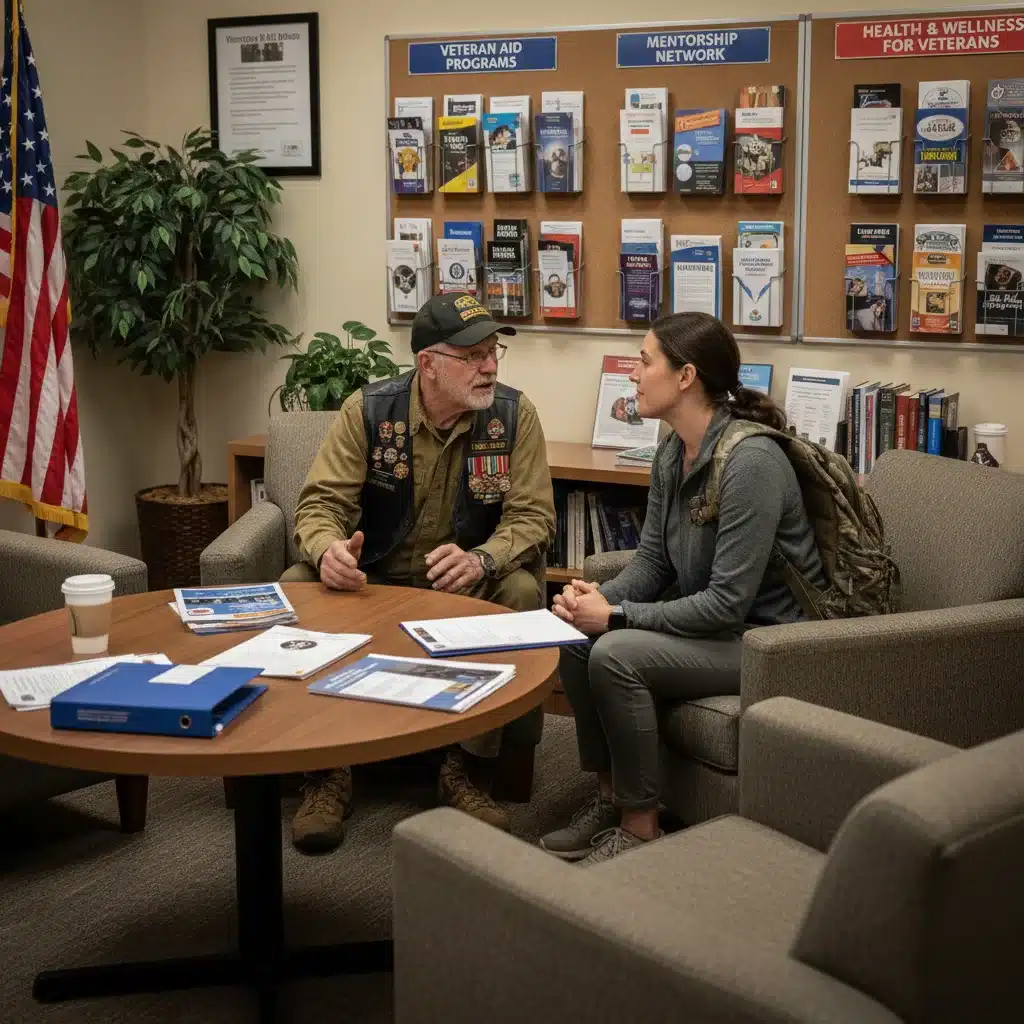
In addition to digital enhancements, there will be a renewed emphasis on in-person and community-based support. This could involve increasing the number of VA benefits counselors, expanding partnerships with veteran service organizations (VSOs), and establishing more outreach events in local communities. The aim is to ensure that personalized assistance is readily available for veterans who prefer face-to-face interaction or require more complex guidance. Educational campaigns will also be launched to raise awareness about the expanded veterans benefits 2026, reaching veterans who may not currently be engaged with the VA system. By making information more accessible and support more readily available, the VA aims to ensure that every eligible veteran can fully capitalize on the enhanced aid programs.
The Future Impact of Veterans Benefits 2026
The cumulative effect of these six expanded aid programs under veterans benefits 2026 is poised to have a transformative impact on the lives of millions of veterans and their families. By addressing critical needs in healthcare, housing, education, disability compensation, and caregiver support, the government is reinforcing its commitment to those who have served. These changes are not just about providing more services; they are about fostering a more supportive, equitable, and efficient system that truly honors the sacrifices of our military personnel.
The long-term vision is one where veterans can seamlessly transition back into civilian life, with robust safety nets and opportunities for growth. Improved access to mental health services will lead to healthier communities, while enhanced housing programs will reduce veteran homelessness. Expanded educational and vocational training will empower veterans to secure meaningful employment, contributing to the nation’s economy. Streamlined disability processes will alleviate financial stress, and increased support for caregivers will strengthen family units.
As we move closer to 2026, it is imperative for veterans, their families, and advocates to stay informed about these impending changes. Engage with veteran service organizations, monitor official VA announcements, and utilize the resources provided to ensure you are fully prepared to take advantage of these expanded opportunities. The future of veterans benefits 2026 holds immense promise, representing a significant step forward in our collective responsibility to care for those who have borne the battle. This comprehensive approach ensures that the dedication and courage of our veterans are met with the unwavering support they truly deserve, allowing them to lead fulfilling and prosperous lives after their service.